
Fifteen Years Shaping Tomorrow’s Leaders
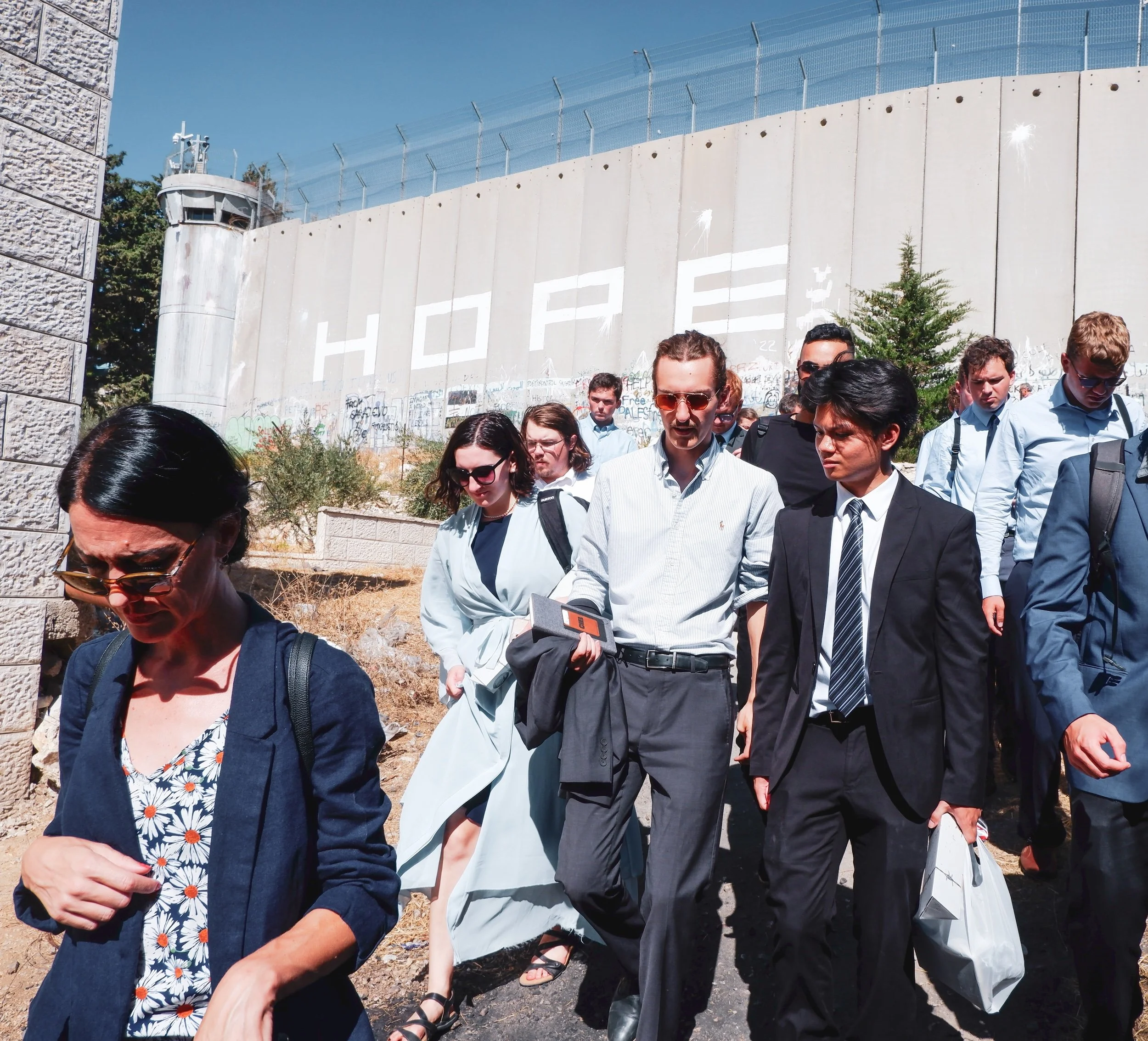
Through experiential learning and immersive international travel in conflict-affected regions, CIEL inspires critical thinking and creative engagement to counter division and polarization
our Impact at a Glance

800+
Alumni
Impacted
Total number of participants since 2008 (CIEL + former Olive Tree Initiative programs)

15+
partner universities
Cross-cultural meetings and local engagements with politicians, giv officials, researchers, victims, NGOs

1000+
dialogues facilitated
Cross-cultural meetings and local engagements with politicians, gov officials, researchers, victims, NGOs

10+
thematic
programs
Conflict Analysis, Governance, Reconciliation, Migration, Post-colonialism, Trauma, WWII memory & EU reform…

120+
institutions engaged
NGOs, government agencies, universities, research institutions and community partners

9+
countries across 3 continents
Middle East, Northern Ireland, Vietnam and Cambodia, France and Germany and the US / Mexico border
understanding impact


How We Assess It
Our impact is assessed through longitudinal alumni tracking, structured reflections, and post-program evaluations that combine qualitative and quantitative methods. We gather:
Pre/post-program reflections and surveys to trace growth in critical thinking and intercultural competence.
Long-term career trajectory data to measure influence on academic and professional pathways.
Participant-generated media (video reflections, essays, and feedback) to capture qualitative insight.
We work in conversation with frameworks from global citizenship education, experiential learning theory, and conflict transformation literature to analyse and adapt our program design.

How We Define it
At CIEL, we approach impact not as a static outcome but as an evolving process of intellectual, civic, and professional transformation. Our programs are designed around experiential learning theory, critical pedagogy, and intercultural dialogue — placing participants in structured, reflective engagement with complex political and historical realities.
We define meaningful impact across three interrelated dimensions:
Cognitive: the ability to critically analyse conflict narratives, power structures, and historical accountability.
Interpersonal: increased empathy, active listening skills, and the capacity to engage across ideological and cultural divides.
Professional: the transfer of field-based learning into careers in diplomacy, development, law, peacebuilding, and public policy.

Post-trip surveys of over 200 participants from CIEL programs (Middle East, Northern Ireland, Vietnam/Cambodia, 2022-2025) with a response rate of 75% show that CIEL’s international experiences have a profound positive impact on participants’ personal growth, understanding of conflict, and future aspirations. Below are key findings and testimonials illustrating how CIEL trips open doors for students in their global outlook and careers.
Student Growth and Development
1. Outstanding Overall SatisfactioN
98%
of participants rated their overall trip experience as positive or excellent
rated their experience as “excellent”
81%
2. Growth Through Challenging, Safe Dialogue
said the trip challenged them to step outside their comfort zone
76%
felt safe expressing their views throughout the journey
90%
3. Identity and Confidence Development
felt more confident taking leadership roles on their campuses
92%
became more aware of their own biases and how these affect interpretation of conflict
79%
said the program improved their understanding of the historical, political, and cultural dynamics on multiple perspectives of the conflict(s) studied
4. Deeper Understanding of Conflict and International Policy
91%
5. Long-Term Inspiration and Career Impact
90%
were inspired to get involved in global or local issues after the trip
The panel with the ex-combatants really opened my eyes to the nuance of the conflict and how different narratives continue to coexist in parallel.
— Megan, Georgetown University, Northern Ireland Program 2024
“
”
If anything, the trip has solidified my hopes to pursue a career involved with peace and global communication in the international community.
— University of Wyoming Student, Vietnam and Cambodia Program 2024
“
”

Josh’s talk and the Holocaust museum made me more understanding and empathetic toward the Israeli narrative. I now see in action the fear that drives them to fight for a homeland.
— Chapman student, Middle East Program 2022
“
”
The trip made me more interested in the rebuilding process of different countries overall. I’m planning on being on the Vietnam /Cambodia trip next year to continue with this path.
— Sarah, UC Riverside, Middle East 2023
“
”
Sector Breakdown
Nonprofit & Humanitarian Work (15–20%) — alumni working on migration, conflict, human rights, and aid delivery across the Middle East, Africa, Europe, and the U.S.
Law, Policy & Government (10–15%) — attorneys, policy analysts, DOJ staff, Senate offices, and early-career diplomats.
Education & Academia (10–15%) — professors, researchers, and educators advancing work on democracy, identity, and conflict.
Journalism & Media (~5%) — Emmy-nominated documentary filmmakers, investigative journalists, and storytellers covering global issues.
Tech, Consulting & Private Sector (15–20%) — CTOs, product managers, analysts, and founders applying global literacy to industry and innovation.
Healthcare & Public Health (5–10%) — physicians, mental-health practitioners, and public-health specialists working with WHO, VA, and community health systems.
Across fifteen years, CIEL alumni have entered every major sector that shapes public life. Their paths confirm the program’s long-term impact: global exposure early in life translates into concrete professional action.
Where Our Alumni Work:
U.S. Department of State
United Nations
European External Action Service
International Crisis Group
Yale Law School, Harvard Kennedy School, Oxford, Sciences Po
Human Rights Watch, UNHCR, Doctors Without Borders
The Washington Post, Foreign Policy, Al Jazeera
Alumni Career Paths
International-Facing Roles
More than one-third of all alumni build careers with a direct international focus — diplomacy, development, humanitarian response, cross-border education. Others embed global themes into law, journalism, medicine, technology, and research.
Human Rights and Peacebuilding
A significant portion of alumni are now active in transitional justice, reconciliation, and human rights advocacy — the same themes they confronted in Sarajevo, Belfast, Jerusalem, Kigali, and beyond. These roles translate trip conversations into career-long commitments.
Global Work Across Fields
Even outside formal international careers, alumni bring cross-cultural awareness into litigation, reporting, teaching, healthcare, and entrepreneurship. The trips embed durable habits: inquiry, context-sensitivity, and responsibility.
The CIEL Effect
CIEL’s model changes professional trajectories. Alumni consistently describe the same shift:
earlier clarity about the world’s fault lines
deeper confidence engaging across difference
durable curiosity and responsibility
a global mindset that persists through entire careers
These trips didn’t just teach us about global conflict, but they taught us how to move through the world with curiosity, humility, and responsibility. The conversations stayed with me. They shaped how I show up in my personal and professional life.
Laila, UC Irvine, Middle East 2018
“
”
ALUMNI SPOTLIGHT
-
![A group of diverse people walking on a narrow paved path through a botanical garden or similar outdoor setting with plants and trees on either side, engaged in conversation.]()
Kevin D. Pham — From Skateboarding to Political Theory
-
![People sitting at a table practicing calligraphy under the guidance of a chef, in a restaurant with Asian-themed decor and framed artwork on the wall.]()
Maia Ferdman — Building Belonging Through Dialogue
-
![Group of 16 young adults on a city rooftop, some with backpacks, smiling with old city walls and buildings in the background.]()
Shannon Thomas — From Berkeley to Grassroots Peacebuilding
-
![A group of tourists stands in front of an ancient temple in a historical site, listening to a guide. The temple has stone structures and stairs, with other people visible in the background.]()
Roxanne Aguilera — From Learning Abroad to Leading Abroad


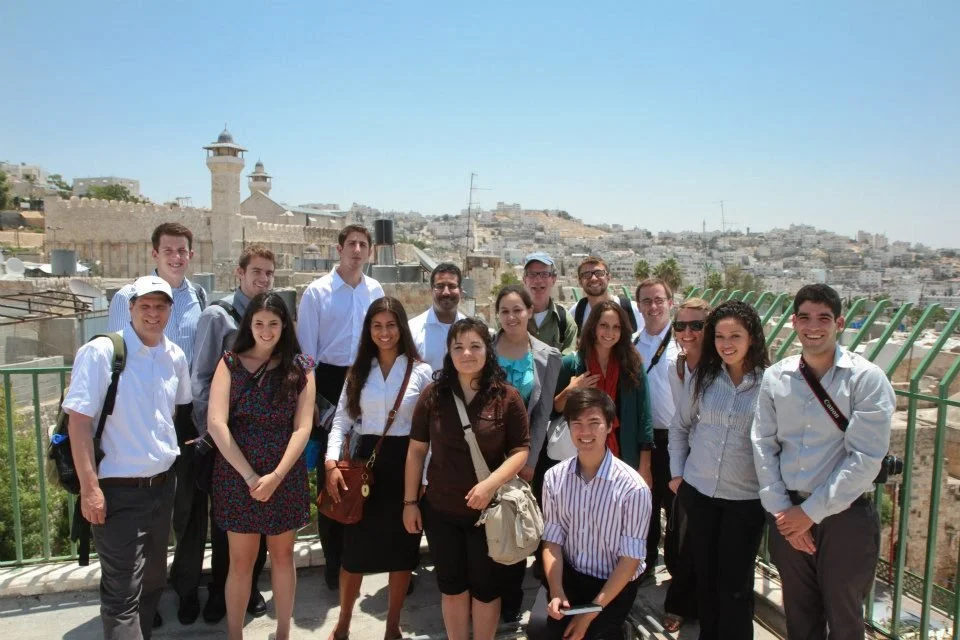

in their words
“CIEL made me re-evaluate what diplomacy means. It’s not just negotiation — it’s listening to stories you disagree with and still building trust.”
— Sophia, University of Wyoming, 2024
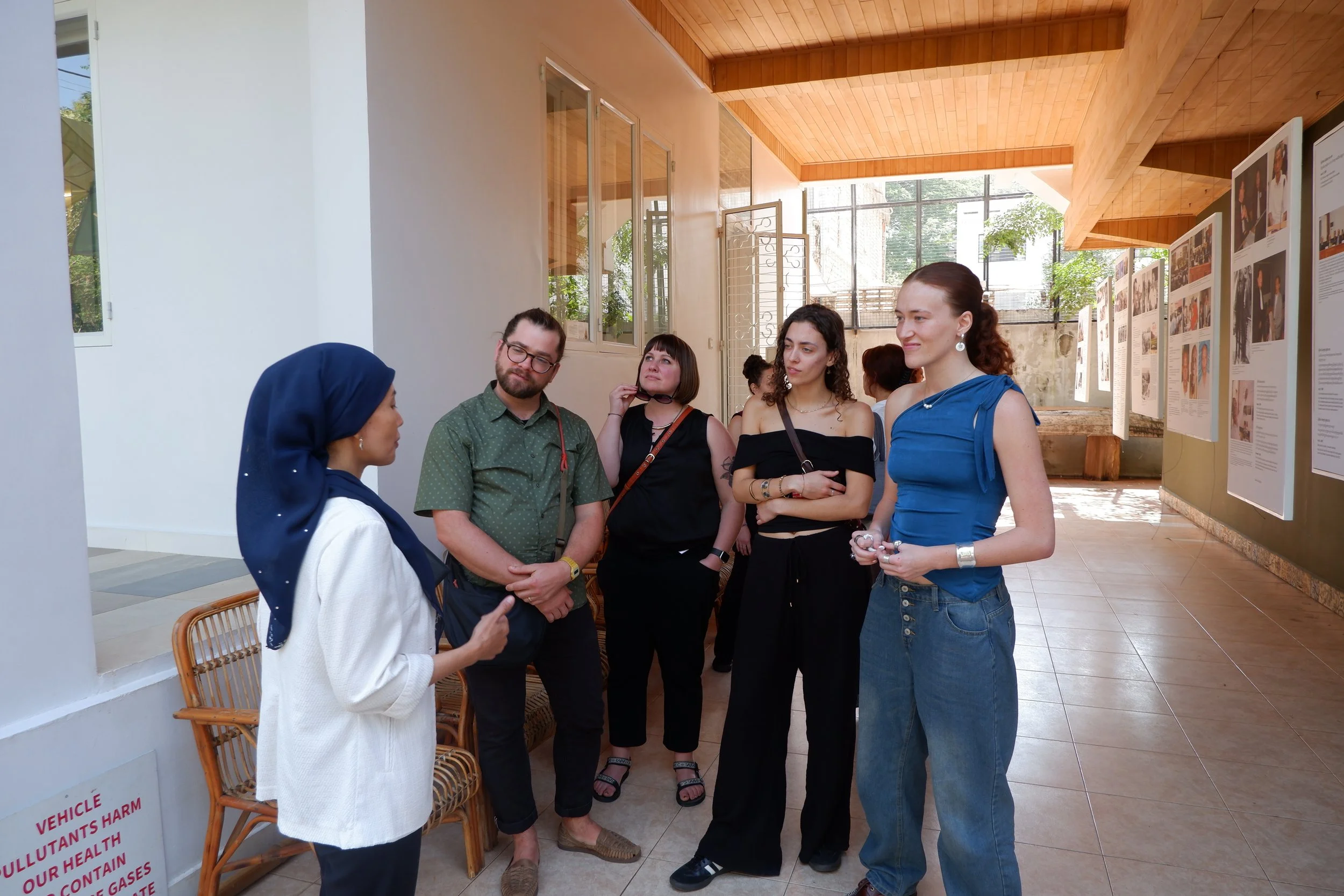
“This experience taught me the complexities of conflict and reconciliation in a way no textbook or classroom ever could. Northern Ireland, in particular, challenged my assumptions about peace, justice, and violence. It offered a new lens through which to understand conflict — one that humanised the lived realities of division and struggle.”
— Henrique, Georgetown University, 2025

“The structure of the CIEL program genuinely encouraged openness. All sides were given space to be heard — not just presented, but engaged with. It made clear how rarely that happens in other settings, and how essential it is for meaningful learning.”
— Gabby, Georgetown University, 2025

“The program confirmed my interest in diplomacy — not just as statecraft, but as the ability to build bridges between divided voices. It made me want to work in spaces where dialogue is fractured and to help create structures where it can be restored”
— Abby, Chapman University, 2024

“The personal growth I experienced through the Israel-Palestine trip was absolutely invaluable. More students should have the chance to engage with the world this way — not through textbooks, but through real people and real conversations”
— Michael, Chapman University, 2023
