upcoming travel programs
EXPLORE RECENT PAST travel programs
May 26 – 31, 2026
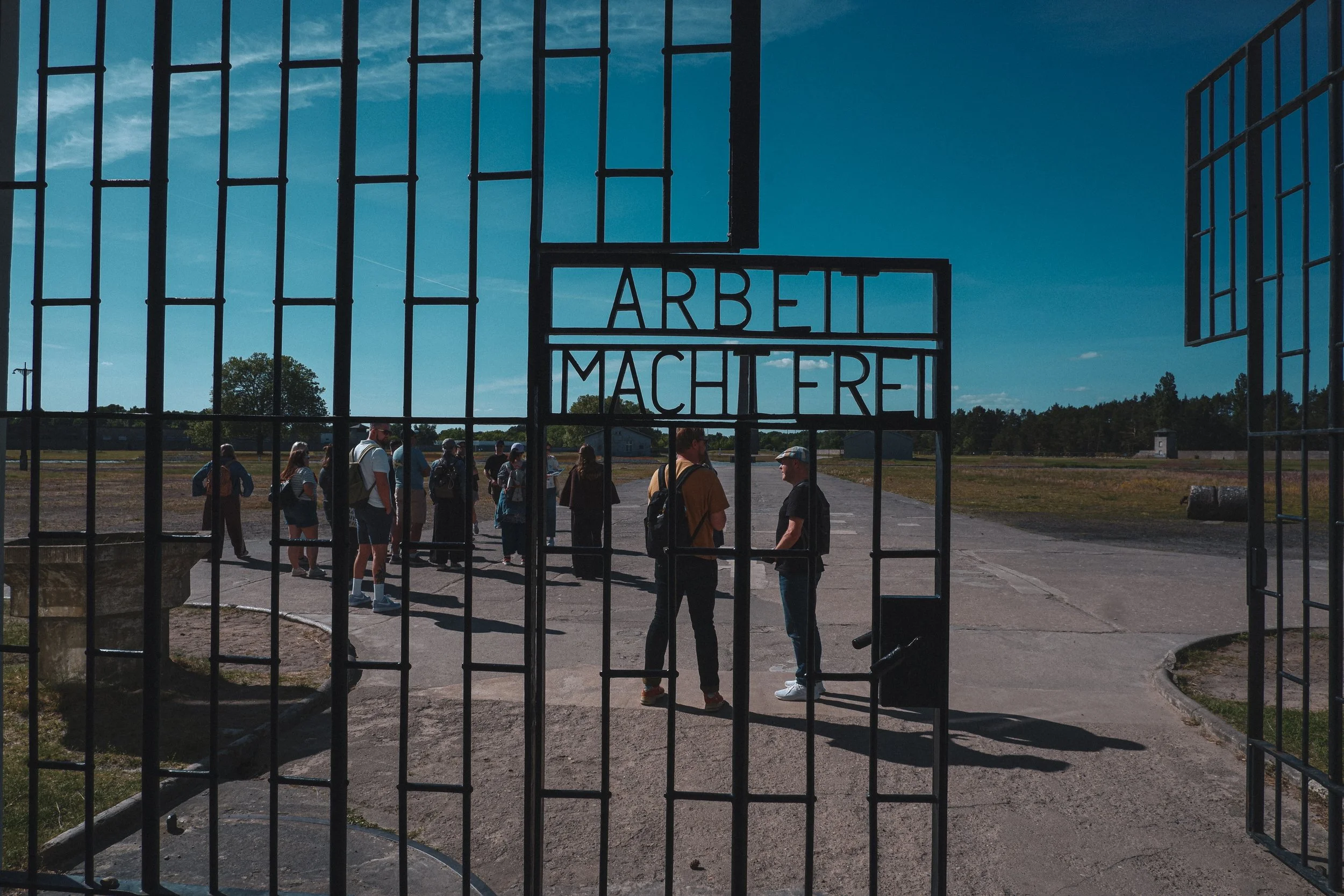
In May, CIEL partnered with UCL Centre for Holocaust Education to bring a group of UK secondary school teachers to Berlin for a five-day professional development program exploring perpetration, complicity, and responsibility.
From Sachsenhausen to the Wannsee Conference House, the Alexander Haus to the streets of the Barn Quarter, teachers engaged with history as both subject experts and educators asking how to bring this material back into the classroom.
May 20 – 26, 2026
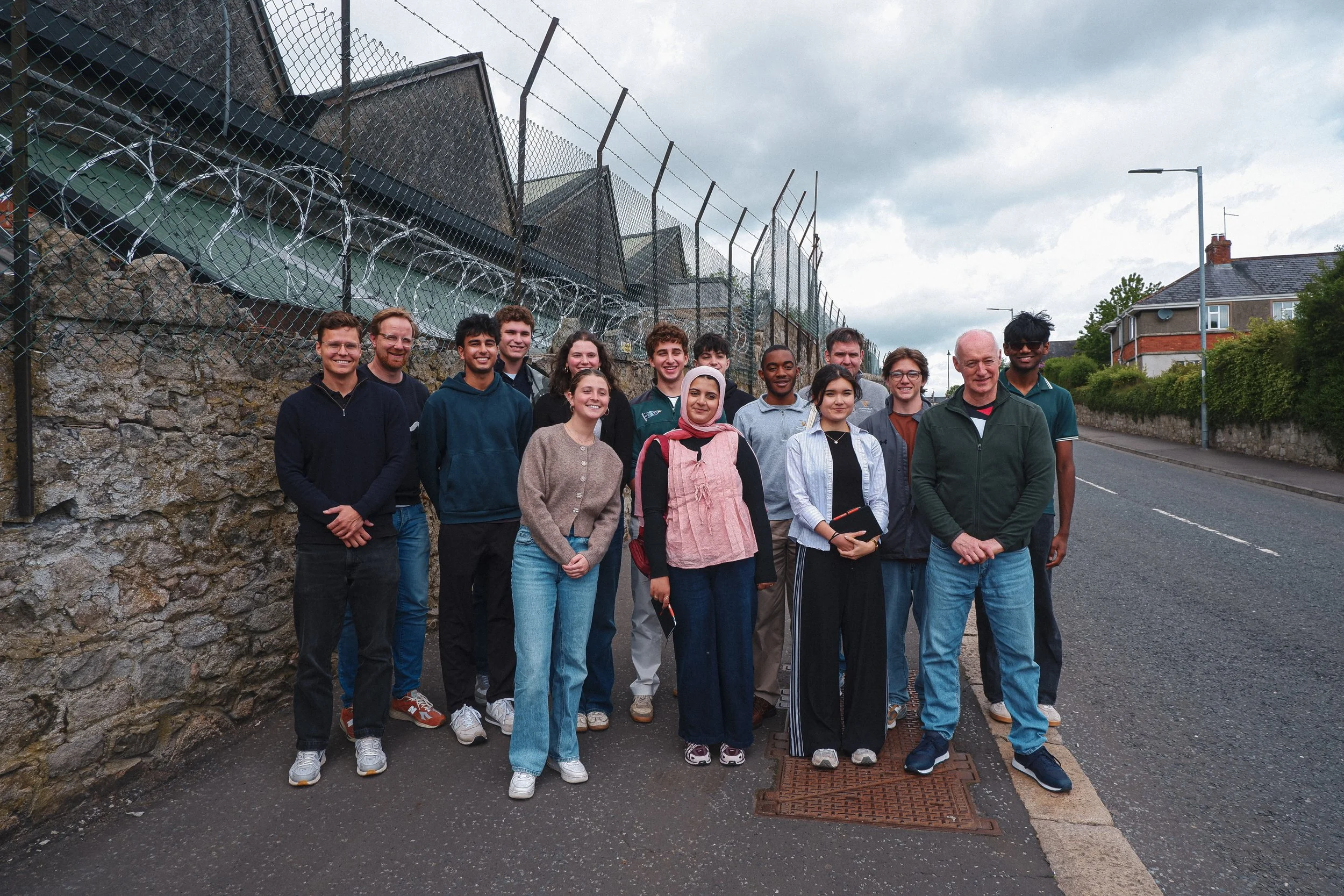
CIEL just completed another Northern Ireland Trip with a group of students from Vanderbilt University’s Dialogue Program. Over one week we moved through Belfast, Derry/Londonderry, and the border region, examining a conflict that officially ended over twenty-five years ago and whose consequences are still being worked out.
The program centered on the history of the Troubles, the architecture of the Good Friday Agreement, and the ongoing work of reconciliation and dealing with the past. Students met former combatants, victims’ advocates, politicians at Stormont, and civil society leaders working across the sectarian divide, including organizations in Derry and East Belfast still navigating what peace looks like on the ground.
January 3 – 19, 2026
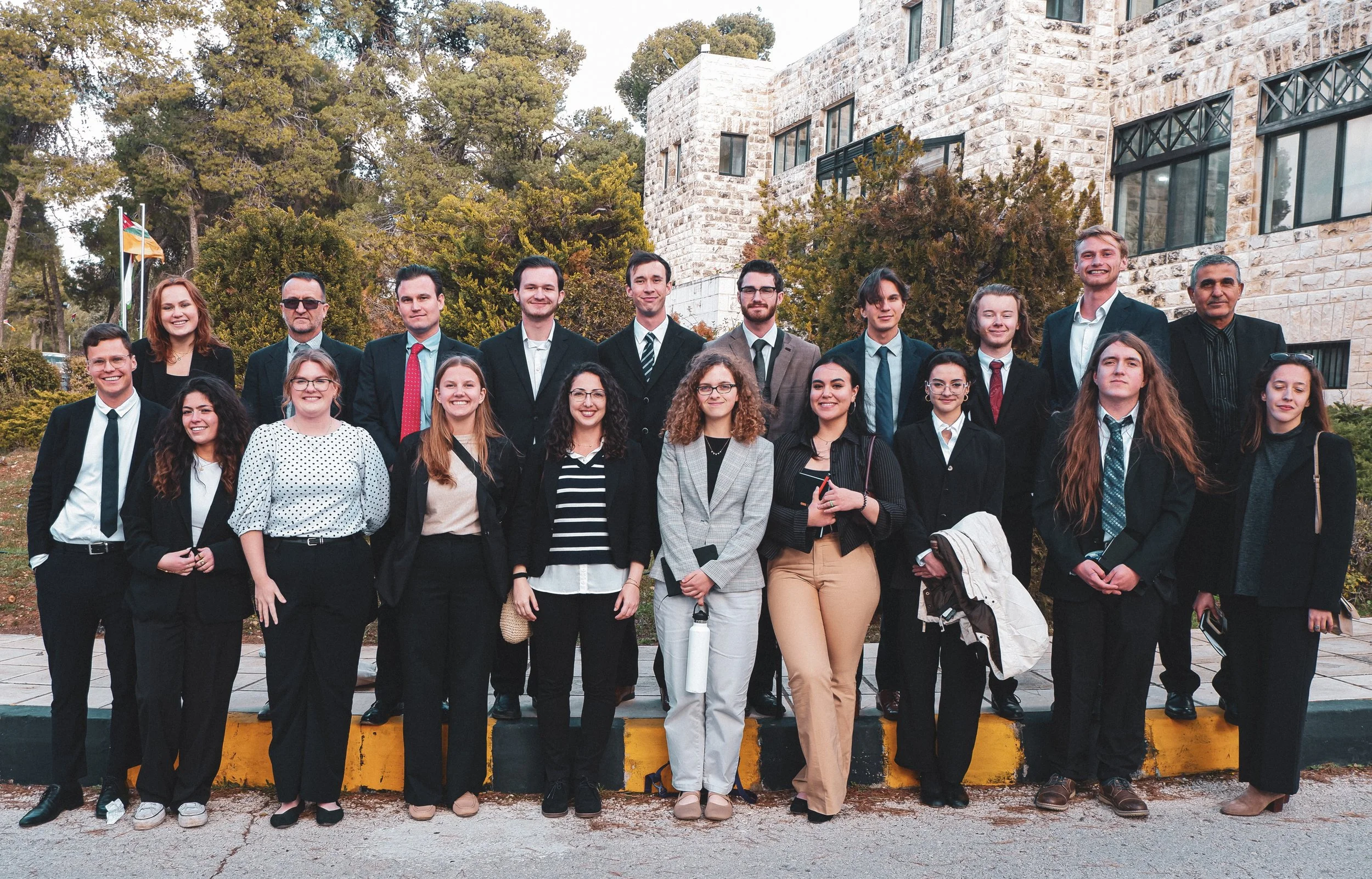
After 2.5 years CIEL returned to the Middle East in January with a newly developed Jordan program in partnership with the University of Wyoming.
With 17 students we traveled to Amman, Ajlun, Aqaba, Wadi Rum, Petra, and Madaba and focused on four intersecting pillars: Israel–Palestine, Jordan’s role in navigating regional migration, displacement and political strife, environmental pressures (especially water), and regional security.
Jordan offered a stable base for rigorous learning while staying close to the region’s hardest questions. The program paired high-level institutional briefings with grounded community encounters: meetings with the Palestinian and U.S. embassies and Jordanian parliamentarians, and conversations with civil society actors including EcoPeace, the Jordan River Foundation, and the Royal Institute for Interfaith Studies, alongside women’s cooperatives and local communities outside the capital. We also brought in additional Israeli and Palestinian voices virtually to keep multiple perspectives in the room.
In reflections, students described less “certainty” and more precision: learning what diplomacy sounds like during conflict, listening across competing narratives, and recognizing how simplified framings fall apart when you sit with people’s lived experience. This trip was a reminder of how urgently we need to cut through algorithm-driven narratives right now and return to careful, compassionate study of difficult realities, shaped by listening first.

January 4 – 17, 2026
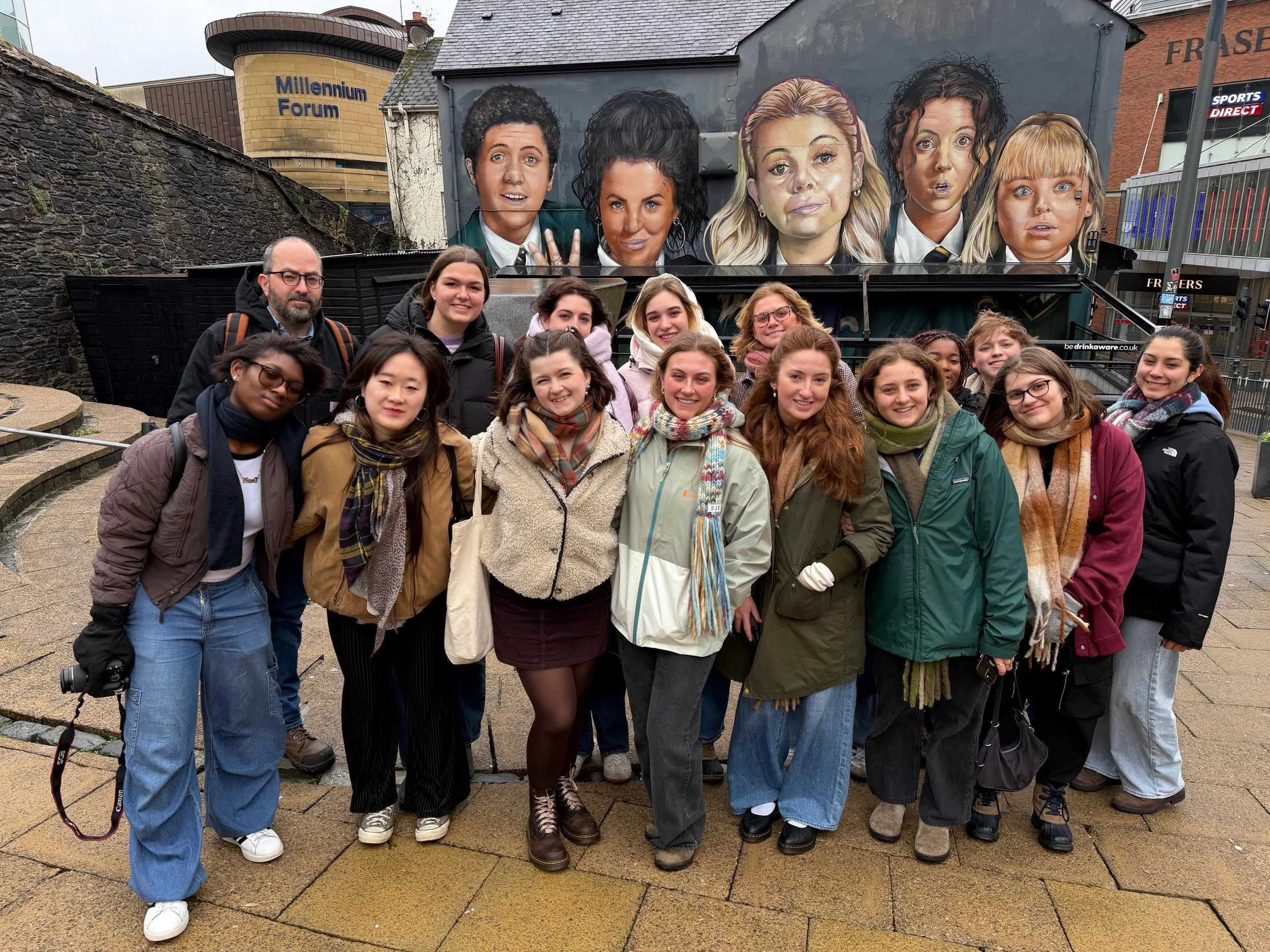
For the last two weekend, students from Colgate University have traveling to Northern Ireland for an immersive learning experience focused on conflict, peacebuilding, and post-conflict governance. Through meetings with former combatants, policymakers, community leaders, and victims’ groups, students critically engaged with the legacies of the Troubles and the ongoing challenges of reconciliation, memory, and governance. These experiences offered powerful insights into peacebuilding in deeply divided societies.
October 19–31, 2025
Our Balkans Community Trip has come to an end.
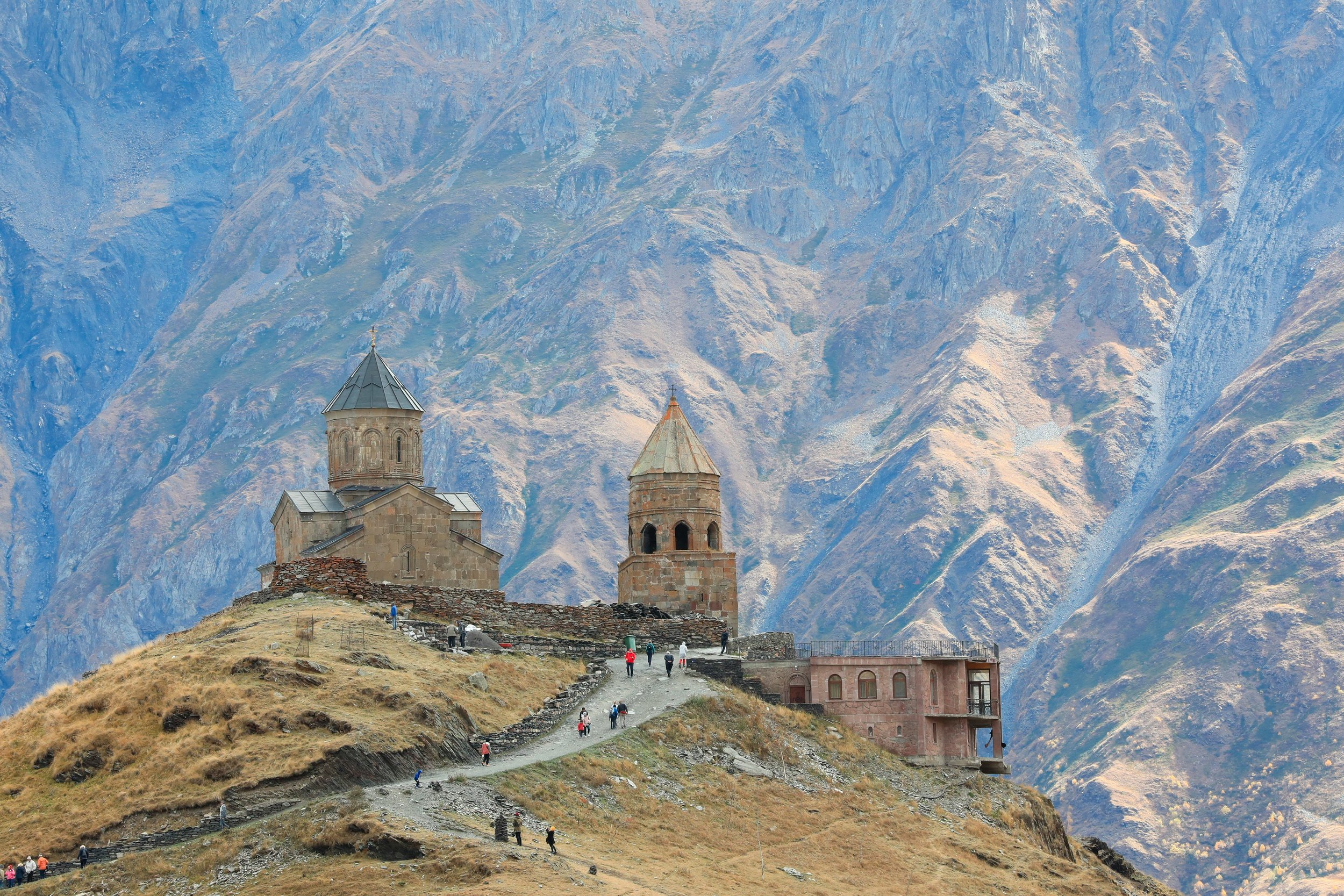
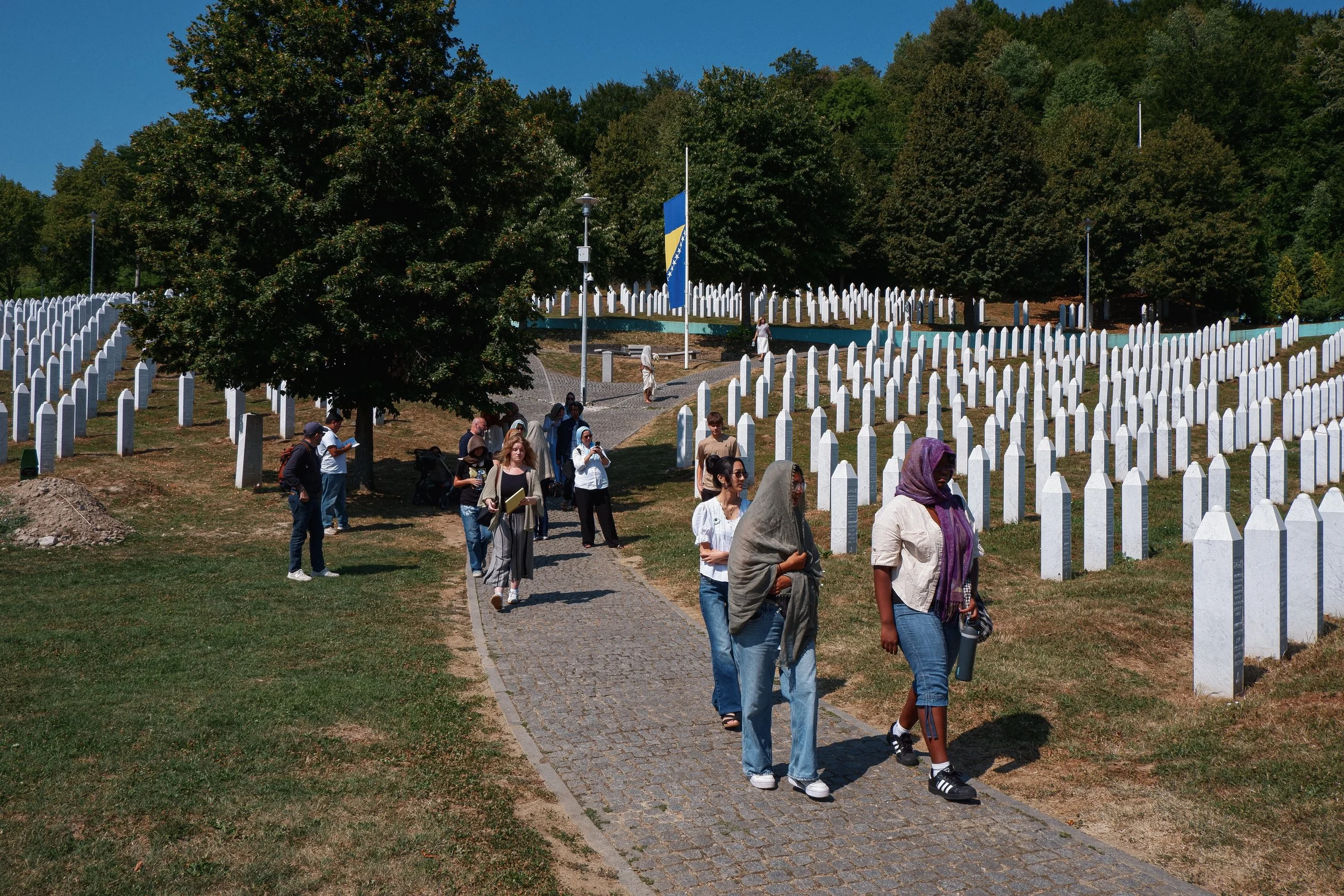
Over two weeks across Bosnia, Montenegro, Kosovo, and Albania, 22 participants explored how societies remember, rebuild, and live with the legacies of war and trauma. Led in the second week by Dr. Elton Skendaj from Georgetown University, the journey focused on questions of justice, reconciliation, and democratic development in a region still marked by its recent past.
In Bosnia, we examined how memory and identity are negotiated—from Srebrenica’s pursuit of justice to Sarajevo’s efforts to foster coexistence and confront intergenerational trauma. In Montenegro, we reflected on shared histories and the challenge of preserving heritage while looking forward. In Kosovo, conversations with journalists, activists, and civil society leaders highlighted the ongoing work of building institutions and trust. And in Albania, we turned to democratic reform, civic participation, and the country’s European aspirations.
June 22–28, 2025
This innovative program marked CIEL’s first health-focused academic trip to Northern Ireland. In collaboration with faculty from the University of Wyoming’s Pharmacy Department, the program examined the intersection of public health, mental health, and conflict. Participants engaged with over a dozen new voices, including younger and female experts, women with lived experience of the conflict, and leading figures like Prof. David Bolton, Prof. Brandon Hamber, and Prof. Siobhan O’Neil.