georgia & armenia community trip 2026
Oct. 21 - Oct 31, 2026: Tbilisi and surrounds → Kakheti wine region → Yerevan → Gyumri and border regions → Yerevan
Double Occupancy: $4,490.00 USD
Borders, Memory, and Resilience in the South Caucasus
The next Center for International Experiential Learning (CIEL)Community Trip is headed to the South Caucasus from 10/21 to 10/31, 2026 and you are invited!
The South Caucasus is one of the most consequential “small regions” in the world. Georgia and Armenia sit between Europe, Russia, Turkey, and Iran, and their politics are shaped by external pressure, fragile security realities, and unresolved histories. In Georgia, one of the central the tension between Georgia's EU candidacy and its recent legislative changes. Georgia received EU candidate status on 14 December 2023, but the accession track has since slowed amid democratic concerns. A focal point has been the “foreign influence” law: large protests in 2023 and again in 2024, with the law taking effect in August 2024, reshaping the operating environment for NGOs and independent media.
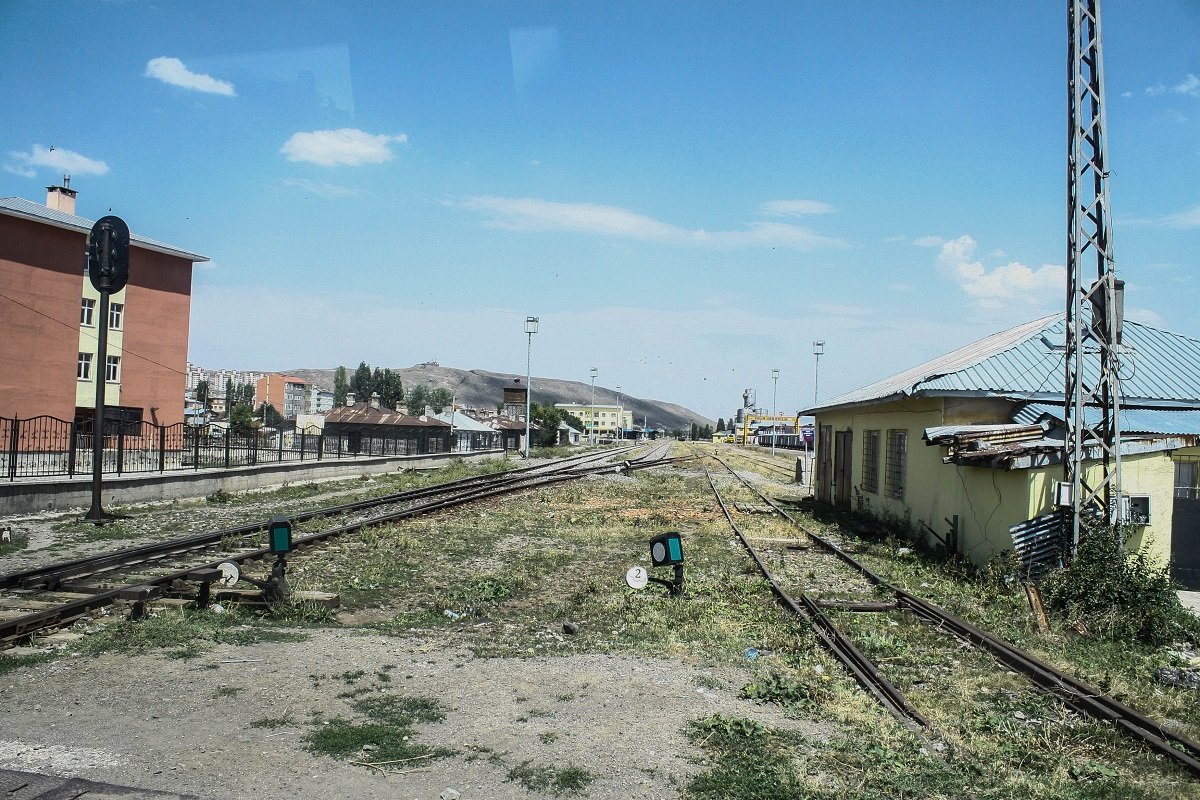
In Armenia, the program is anchored in the aftermath of the 2020 Nagorno-Karabakh war and the September 2023 Azerbaijani offensive, which triggered the rapid displacement of almost the entire Armenian population of Karabakh (around 100,000+ people) into Armenia. This is paired with Armenia’s unresolved relationship with Turkey: the land border has remained closed since the 1990s, while normalization talks have continued through special envoys since 2021, with incremental recent steps such as visa facilitation.
Itinerary
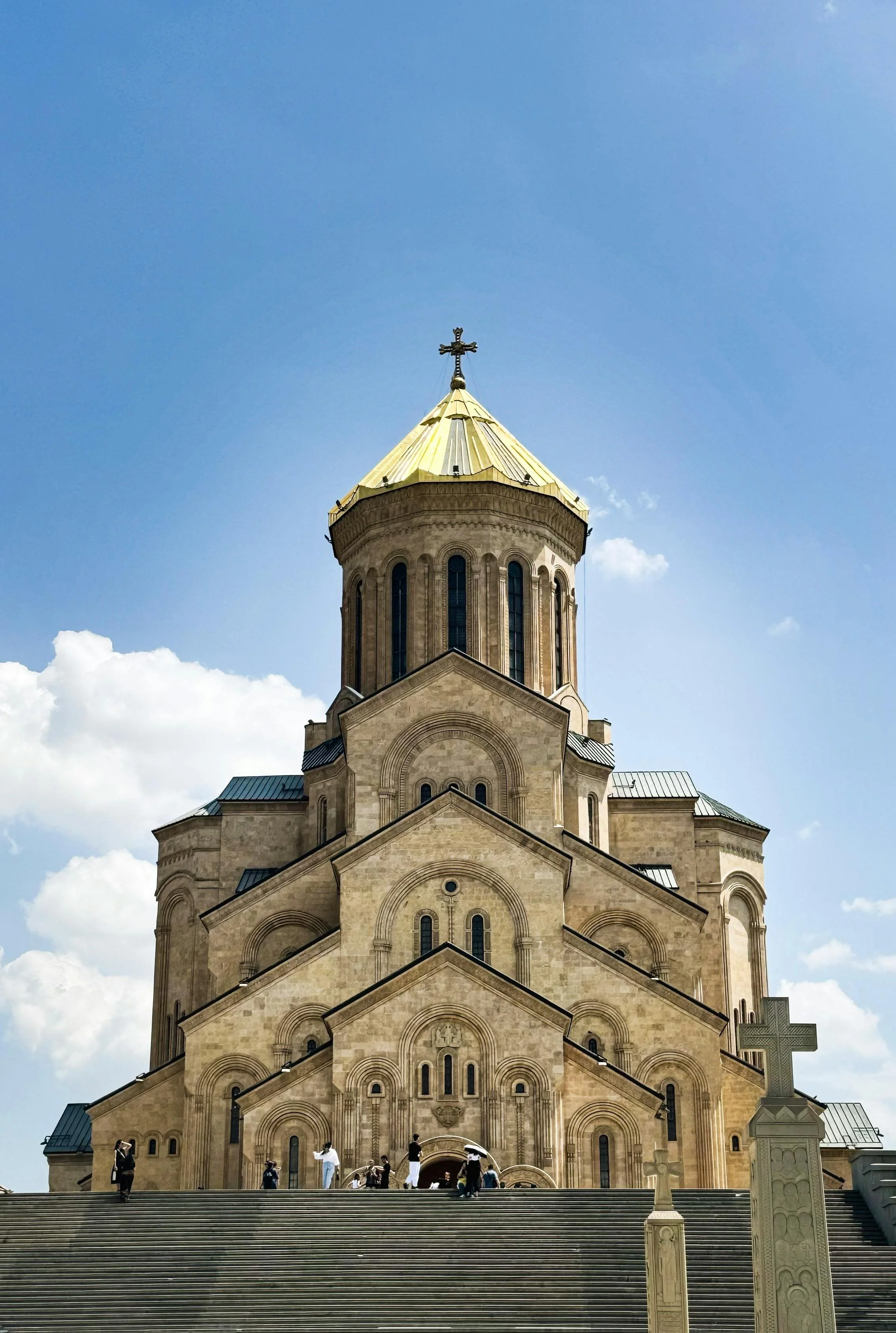
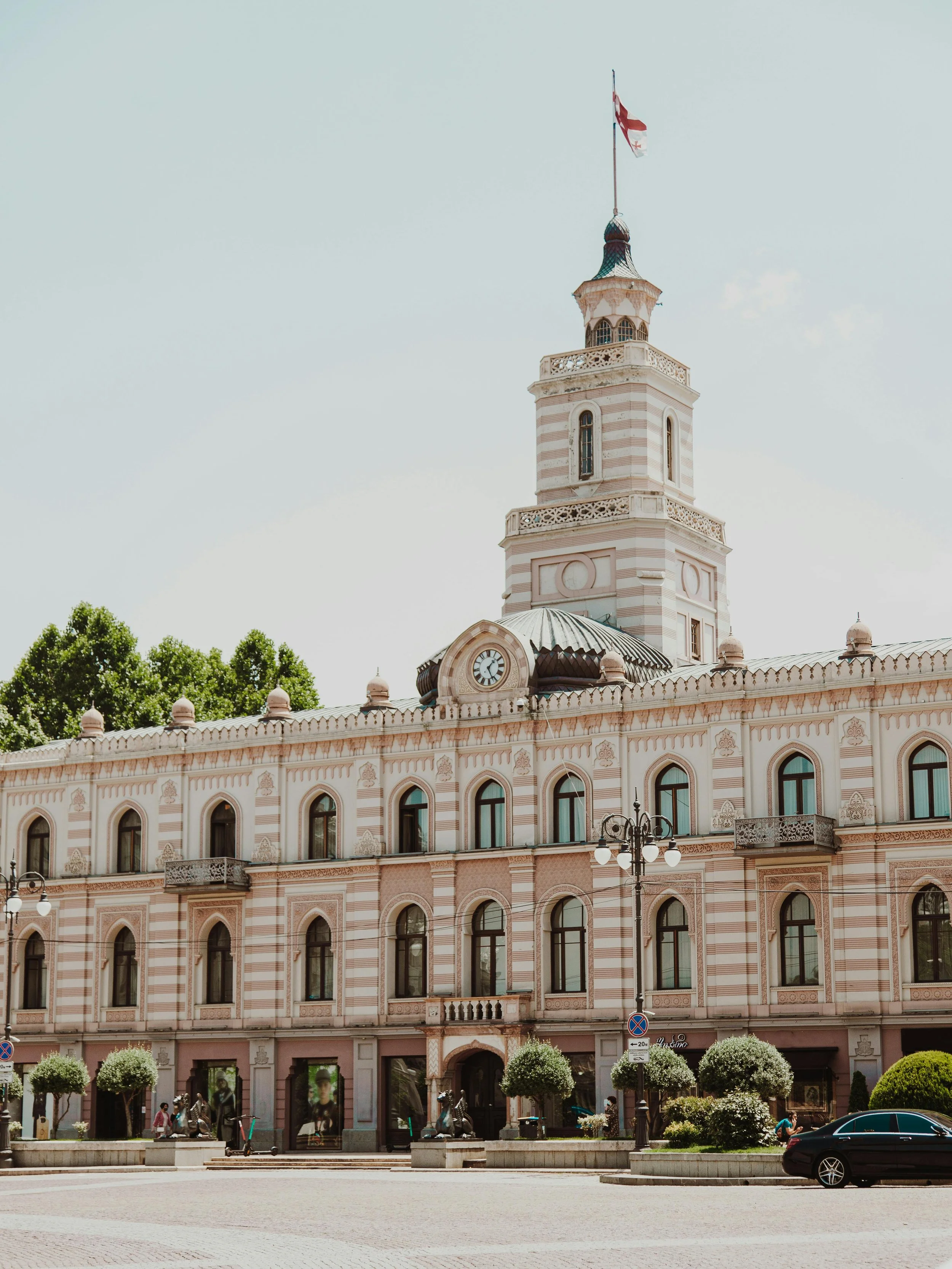
Over twelve days, we will work through a structured arc across sites, institutions, and lived experience. In Tbilisi, we begin with expert briefings on Georgia’s post-Soviet transition and its current EU trajectory, then examine how political narratives are produced and contested through guided memory and identity walks through key civic spaces and museums, conversations civil society and media perspectives on Georgia's political environment. We will also meet displaced communities connected to Georgia’s unresolved territorial conflicts, using displacement as a bridge theme into the Armenia portion.
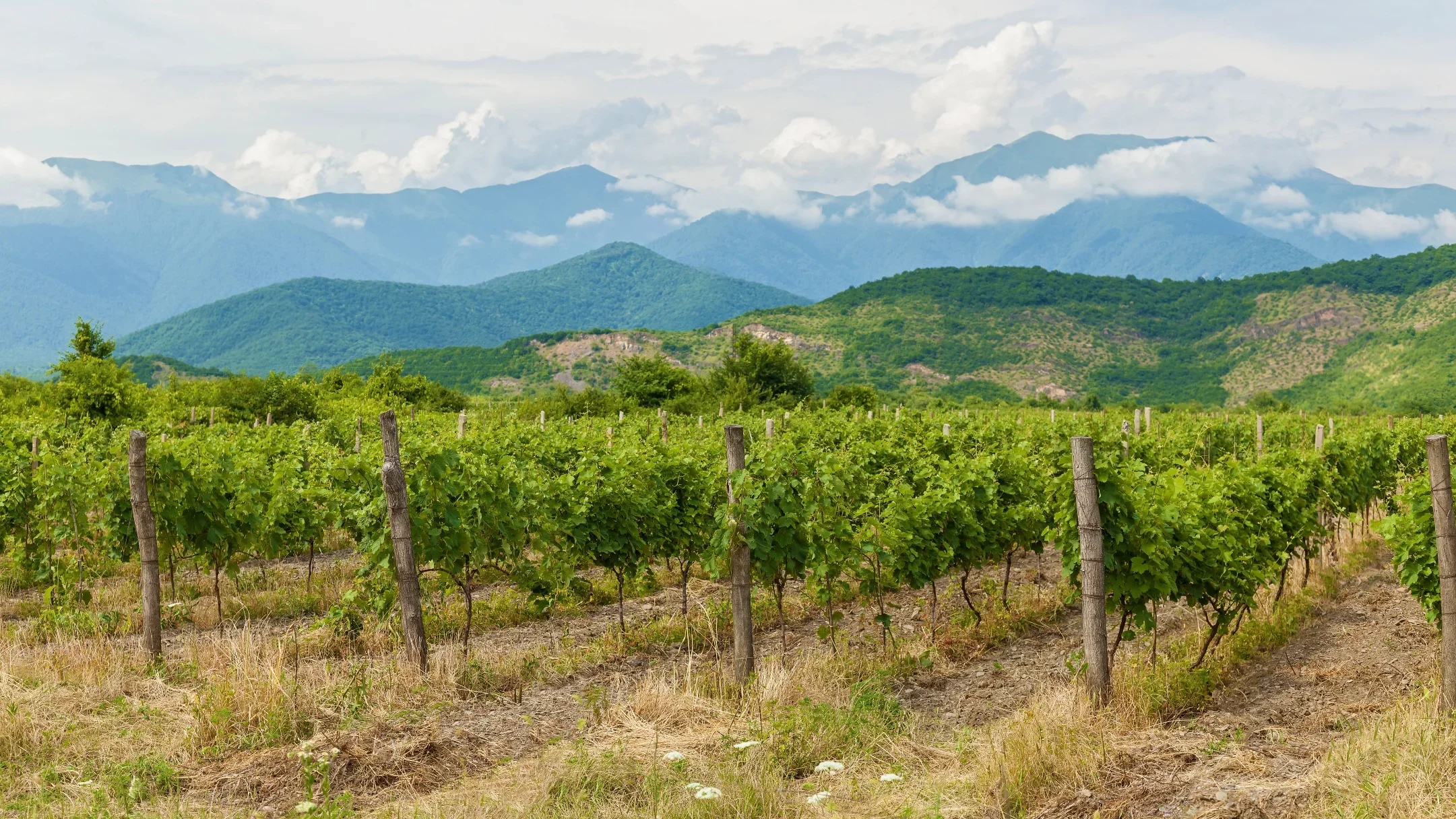
In Georgia’s wine region Kakheti, we will stop on our way to Armenia for a cultural immersion centered on food, ritual, and rural continuity, paired with conversations on how geopolitics and economic orientation (EU programs, Russian markets, migration) land in everyday village life.
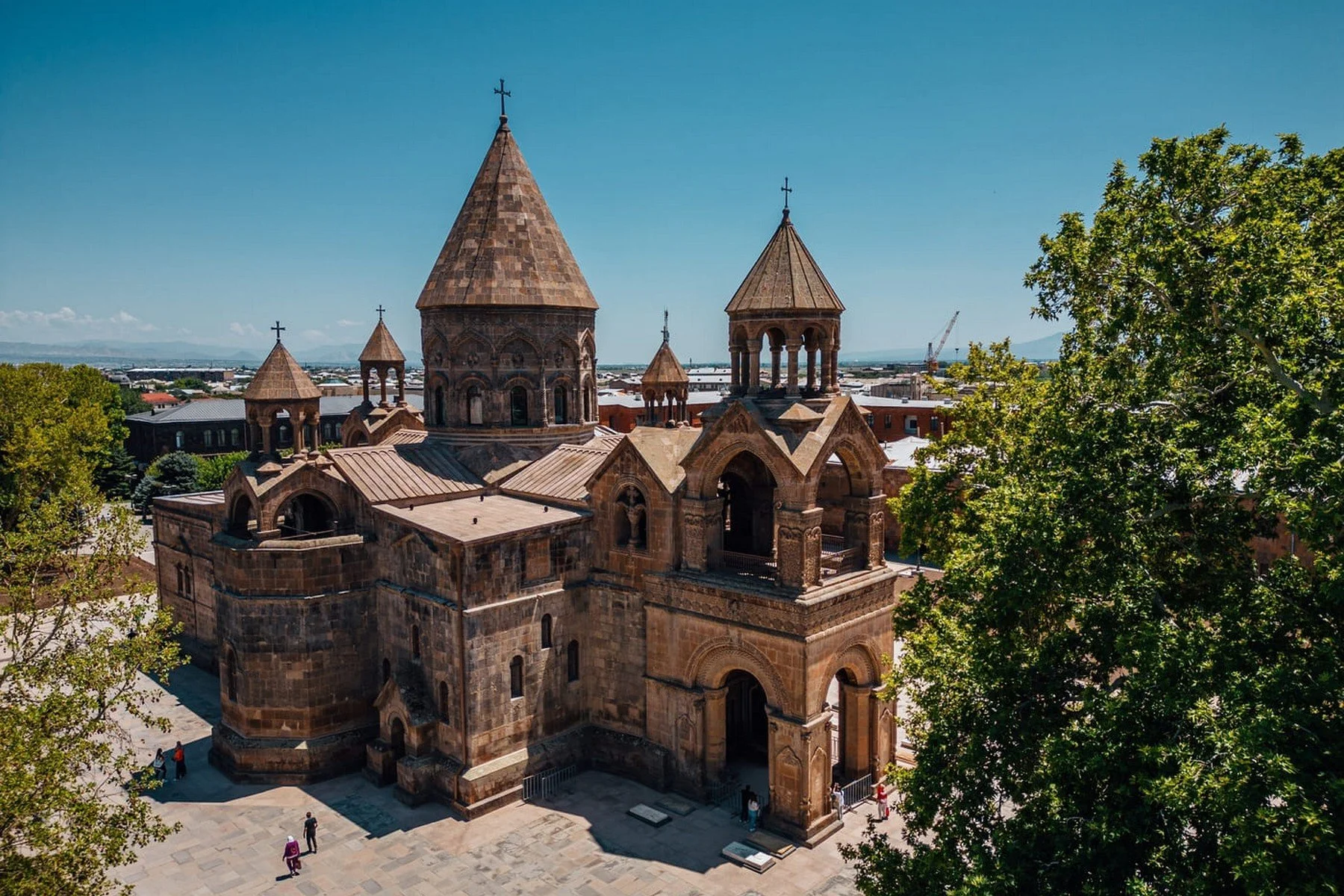
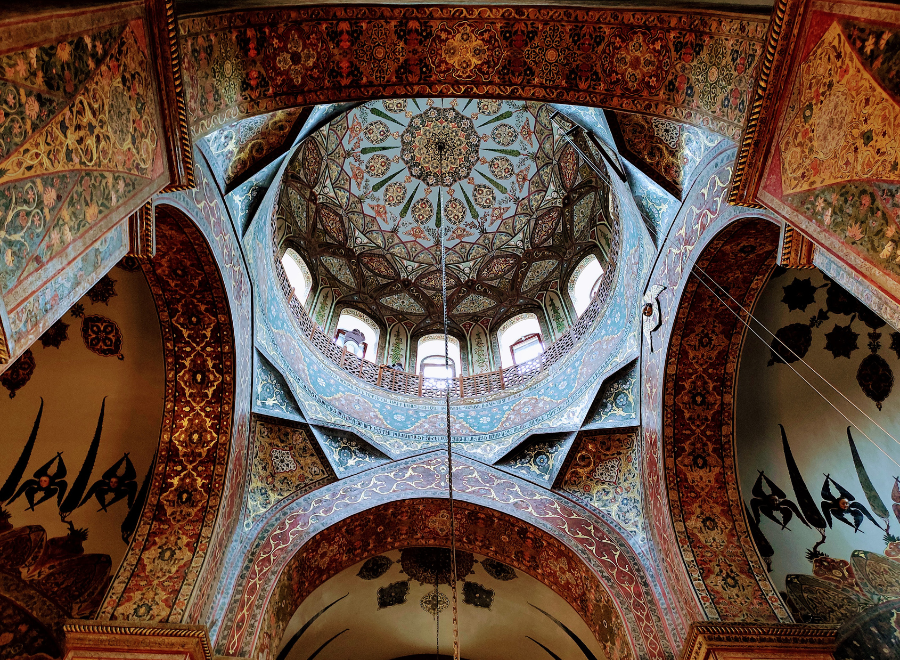
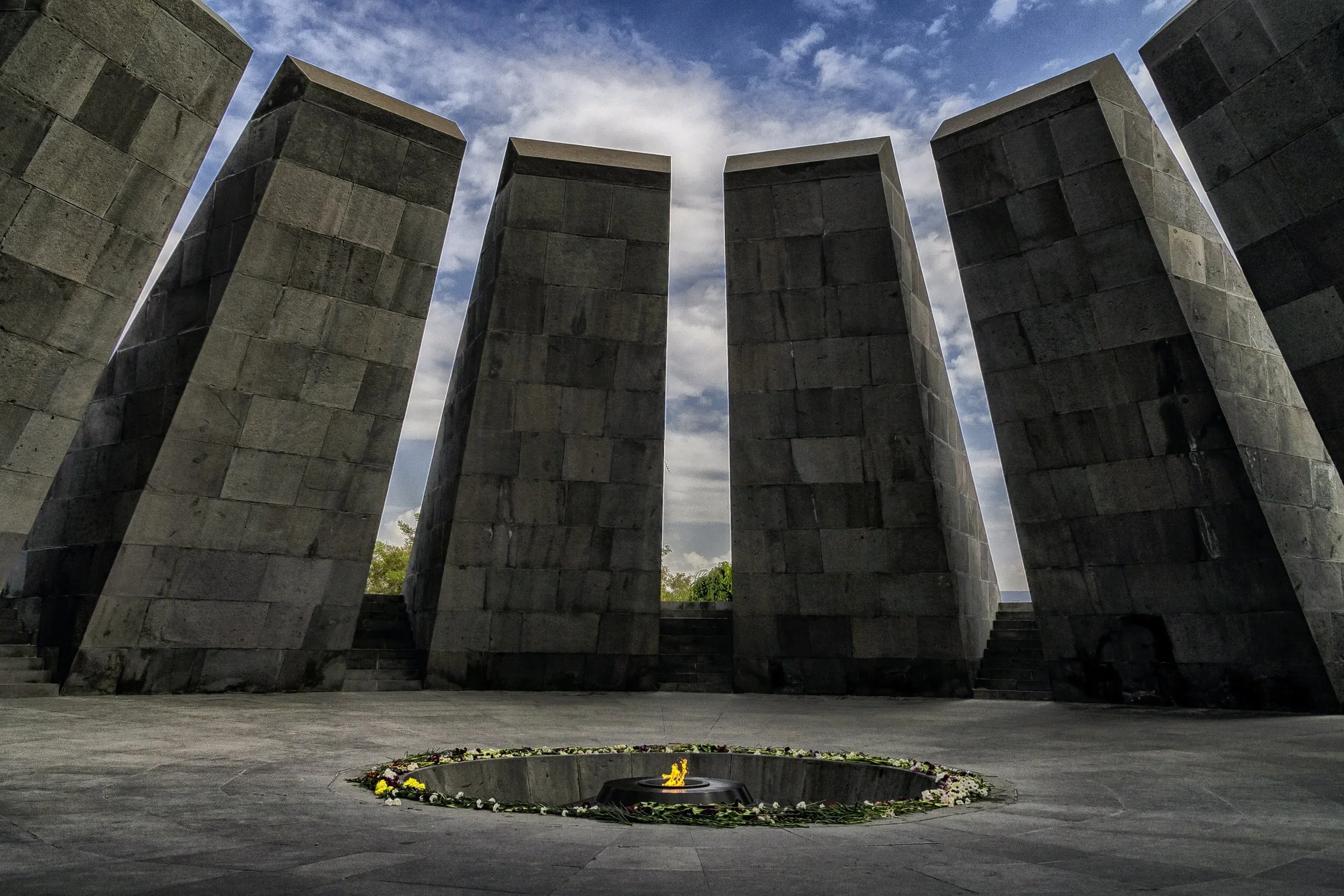
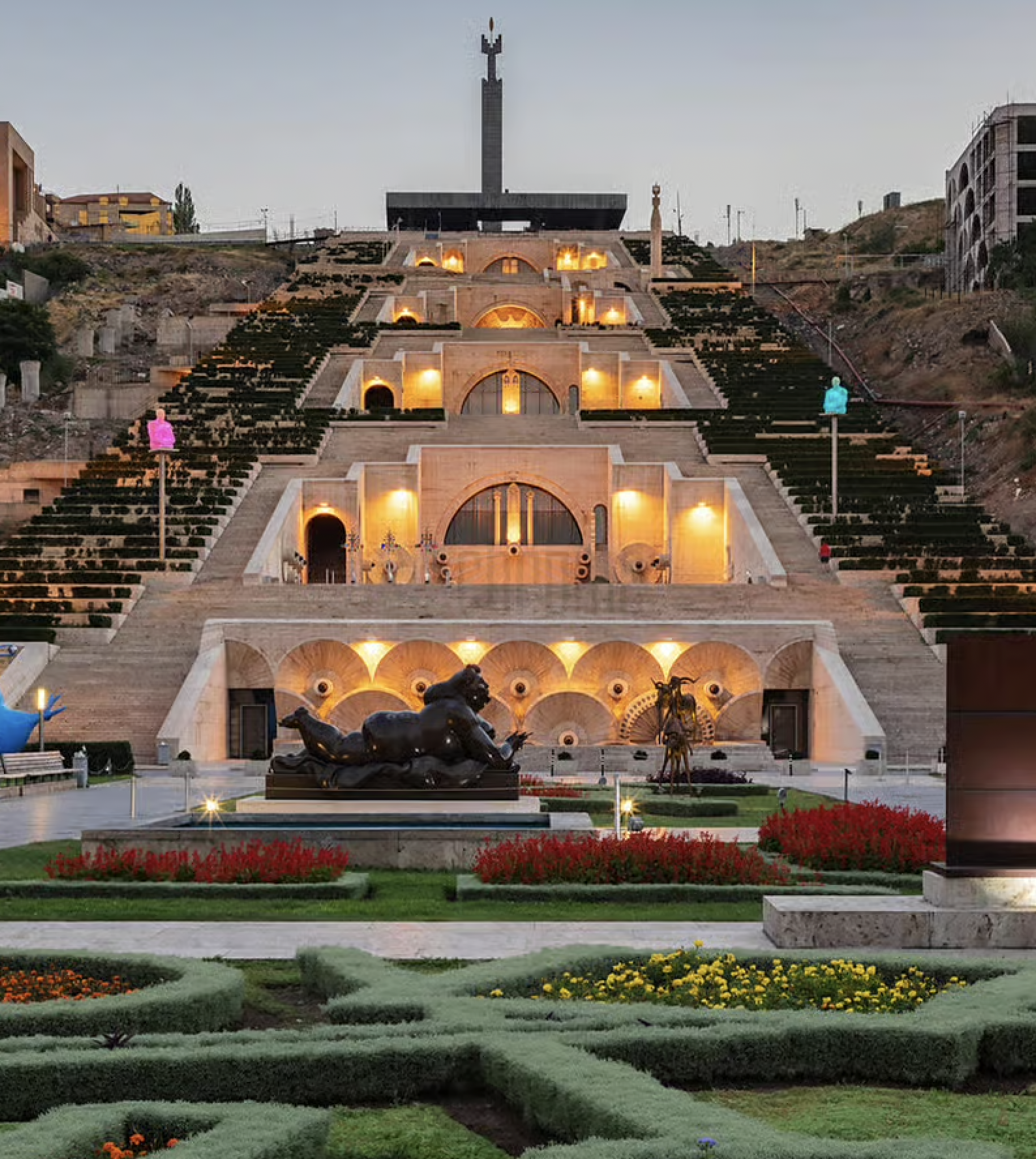
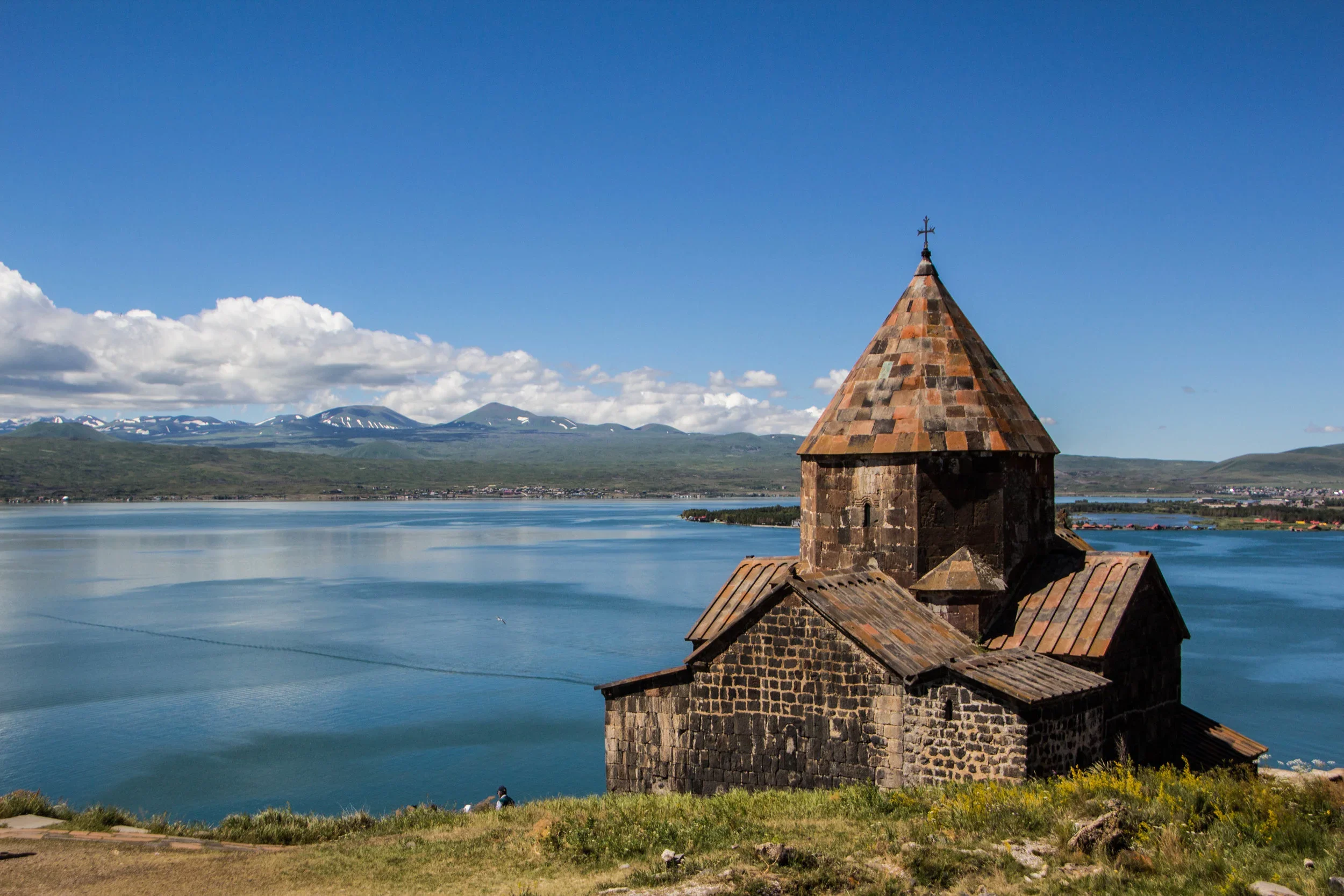
In Armenia, the focus shifts to memory politics, border closure, and displacement. We will visit the Tsitsernakaberd Genocide Memorial Complex and the Holy Etchmiadzin, the first church built in ancient Armenia as anchors for understanding how historical memory shapes national narrative and external relations. We then travel to Gyumri and the northwestern borderlands which will make the closed Armenia–Turkey frontier tangible: border viewpoints, local economic and social consequences of closure, and structured dialogue on reconciliation attempts and their limits. In Yerevan will also be engagements with displacement response and integration challenges linked to the 2023 Karabakh exodus, connecting humanitarian realities to governance capacity and civil society role. The trip concludes with an excursion to Lake Sevan to consolidate learning and prepare for the return back to the US.
Itinerary at a glance
Oct 21–23 | Tbilisi: Civic transitions and narrative construction
Expert framing on post-Soviet governance and the current democratic landscape
Conversations with civil society leaders working on civic space and information integrity
Visit with displaced communities to understand the lived legacy of unresolved conflict
Oct 24 | Kakheti wine region: Rural resilience and cultural continuity
Community-based immersion with local hosts (food, wine, tradition)
Dialogue on how external political economies land in everyday life
Cultural evening focused on music, ritual, and continuity
Oct 25–29 | Armenia: Yerevan and Gyumri: Memory, borders, and the cost of closure
Key national sites that illuminate memory politics and identity
Borderland case study in the northwest, including Gyumri and nearby frontier landscapes
Engagement on displacement response and civic adaptation in the aftermath of regional conflict
Oct 30 | Religious site visits: Decompression and synthesis
Oct 31 | Departures
Key Learnings
How small states navigate geopolitical pressure from larger powers (Georgia, Armenia)
How democratic institutions weaken or hold under stress, and what civil society does in response (Georgia, Armenia)
How information environments are shaped by disinformation, polarization, and narrative control (Georgia, Armenia)
How “frozen conflicts” continue to structure politics and daily life long after active fighting ends (Georgia)
What displacement does to communities over years and decades, not just in the moment of crisis (Georgia, Armenia)
How societies process trauma and rebuild legitimacy after war and loss (Armenia)
How border closure reshapes economies, identity, and social imagination (Armenia)
How historical memory becomes a live political force in the present (Georgia, Armenia)
How coexistence and pluralism function when political settlement is incomplete (Georgia)
How diaspora networks influence domestic politics, foreign policy, and national narratives (Armenia)
How to translate field observations into clearer strategic judgment and policy trade-offs (Georgia, Armenia)
Join us for an informative and enjoyable experience as we learn and connect together.