
the balkans
15 - 25 participants
1 - 2 week program
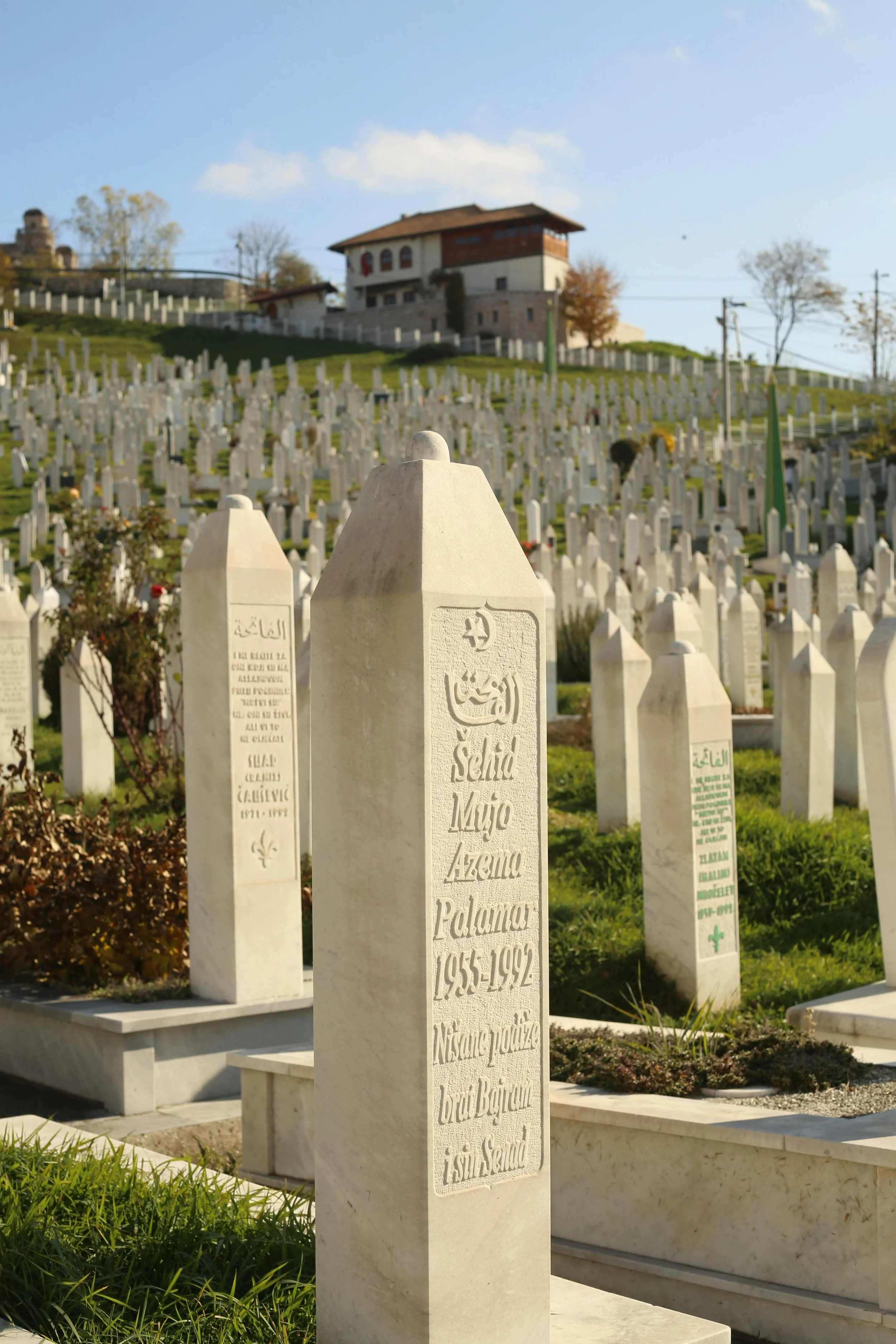
The Balkans Program explores the complex history of war, reconciliation, and post-conflict recovery in Bosnia, Montenegro, Kosovo, and Albania.
Through direct engagement with survivors, policymakers, and scholars, participants will examine the challenges of justice, memory, and nation-building in a region still shaped by ethnic conflict. This journey provides a unique opportunity to study the impact of war, the struggles for recognition and healing, and the role of political transitions in shaping the future.
Starting in Sarajevo, we will explore the legacy of the Bosnian War, the siege of the city, and the resilience of its people. A visit to Srebrenica will offer a profound reflection on genocide, justice, and memorialization. Continuing to Mostar, we will examine the complexities of displacement and divided communities before crossing into Montenegro, where we will take in the dramatic landscapes of the Adriatic. In Kosovo, we will analyze the country’s struggle for independence, the challenges of international recognition, and the role of youth activism. Finally, in Albania, we will shift our focus to post-dictatorship transitions, exploring how the country moved from totalitarianism to European aspirations.